
NYCVisa · Notarial Services Attorney
International Employment Contract Certification in Thailand
Employment contracts are often requested for work visas or permits. Many embassies want a certified copy or certified translation rather than a notarised contract. Terms cannot fall below the Thai Labour Protection Act.
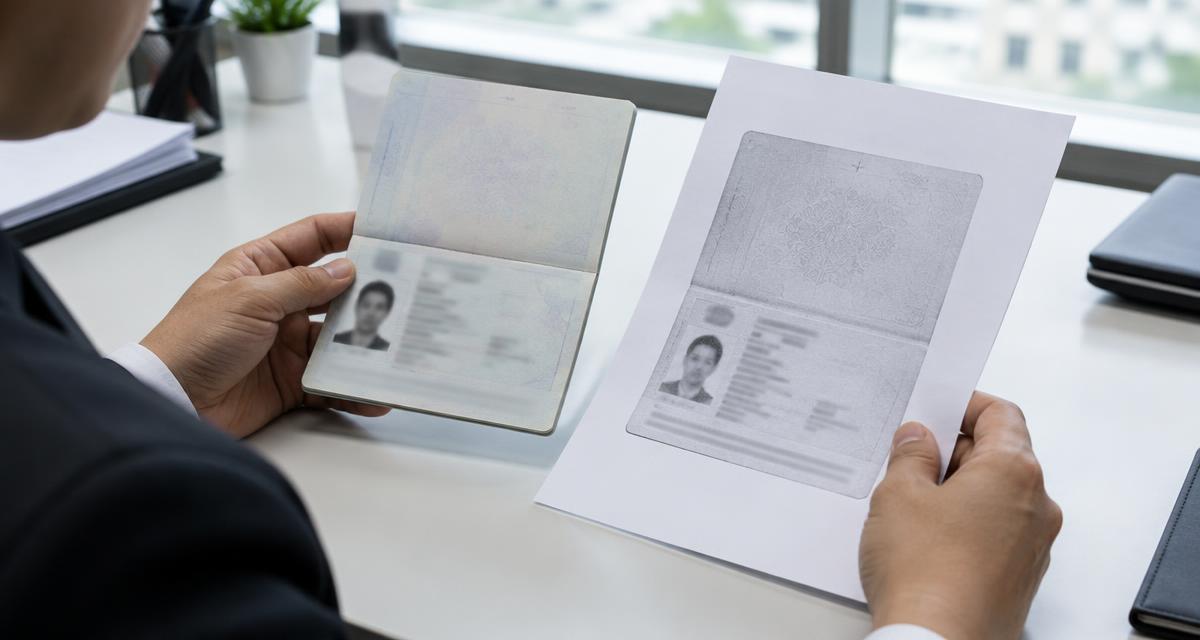
Certification scope and key checks
Match position, salary, hours and term with visa documents.
A notary does not confirm employment is genuine.
Terms contrary to labour law may be unenforceable.
A notary certifies the parties' signatures or that a copy matches the original; it does not certify that the terms comply with the Labour Protection Act or the destination country's labour law. Review the terms with a specialist before signing.
For work-visa use, recipients compare the position, term, pay and employer name with the company's other documents. For foreigners working in Thailand, the work permit is a separate matter under the Foreigners' Working Management Emergency Decree B.E. 2560 (2017); a certified contract does not replace it.
A bilingual contract should state which language prevails if meanings differ, and the employer's signatory must hold authority under the company affidavit.
Documents to prepare
- Original contract
- Embassy or authority requirements
- Identification
- Employer's company affidavit showing authorised signatories
Procedure for this document
- Confirm whether a certified copy or translation is needed
- Prepare the signed contract
- Certify copy or translation
- Submit with other documents
Overseas use: confirm the recipient’s route
Notarization is not required for every public record, and some uses need no onward legalisation. Confirm whether the recipient needs an original, copy, translation or specific certification before arranging MFA and embassy steps where applicable.
Thailand deposited its accession on 30 June 2026. The Apostille Convention is scheduled to enter into force for Thailand on 28 February 2027. Do not assume Thai Apostilles are available before then. Even after entry into force, document scope and treaty relations with the destination must be checked.
Questions before booking
- Do embassies accept scans?
- It varies; some want originals or certified copies.
- Will notarisation help approval?
- No; the embassy decides.
- Is translation needed?
- Usually, if the recipient uses another language.
- Can a certified contract replace a work permit?
- No; the work permit is applied for separately with the competent authority.
- Does the notary check labour-law compliance?
- No; the notary certifies signatures or copies only.
- Are MFA and embassy legalisation always needed?
- No. Ask the recipient to confirm the certification, language and onward steps. Notarization, translation and legalisation are distinct; do not perform every step automatically.
- How are fees and timing assessed?
- After reviewing the form, copies, signers, language and onward steps, we provide a quote and indicative schedule before work. Authority queues and outcomes are not guaranteed.
- What should I send before booking?
- Send the record type, destination country, receiving authority and its checklist through a direct contact channel. Redact personal information unnecessary for the initial enquiry.
📚 Official sources and current requirements
Content reviewed 8 October 2026. General information, not case-specific legal advice. Confirm current requirements with the recipient before filing; document acceptance and application outcomes are not guaranteed.
Send the recipient’s checklist before booking
Initial enquiry for scoping and a quote is free; case-specific legal advice is not included.
Appointments and related documents
Branches are in Bangkok, Lat Phrao 95 near Mahat Thai station, and Khon Kaen. Agents in 77 provinces coordinate documents; they are not attorney offices in every province. Confirm an attorney appointment before certification.


