

Why foreigners in Thailand need a Thai Police Clearance
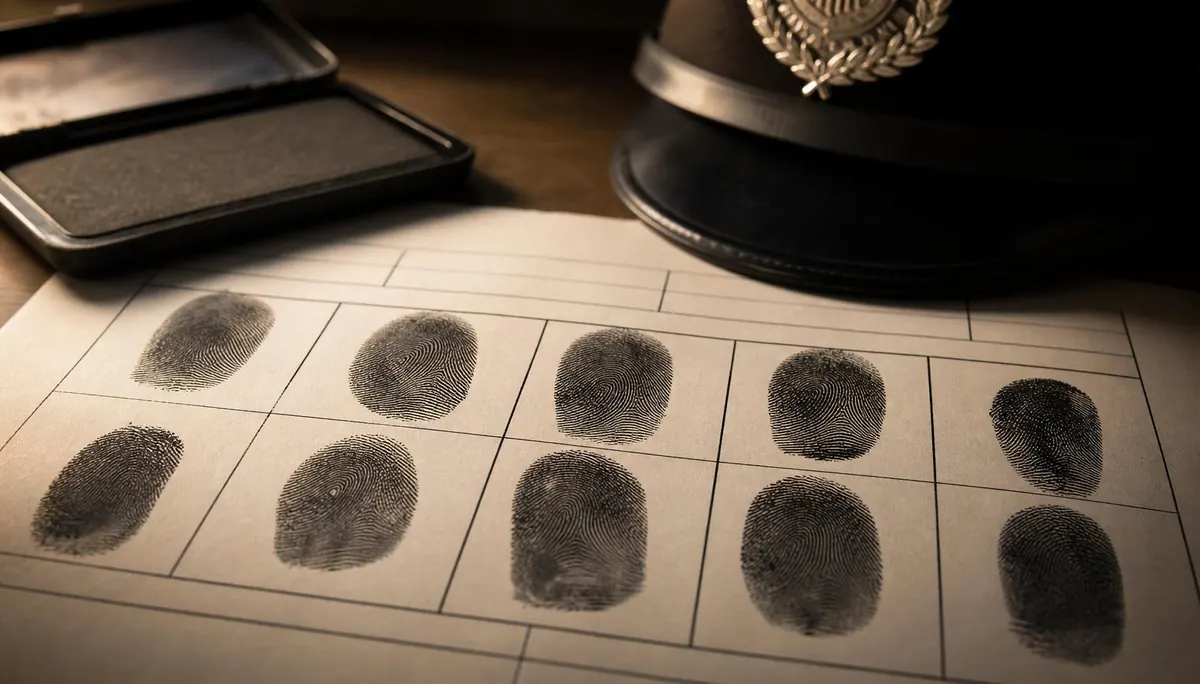
Any foreigner who has lived in Thailand for 6 months or more will, at some point, be asked to produce a Thai Police Clearance Certificate (PCC). The demand comes from multiple directions: (1) Thai Immigration and the Ministry of Labour require it for Non-B Visa extensions, Work Permit renewals, LTR Visa, SMART Visa, and Thai Permanent Residence applications; (2) Foreign governments require it whenever you apply for a visa, PR, or citizenship in another country and have lived in Thailand — the US, UK, Australia, Canada, New Zealand, and most EU countries have a fixed rule: submit a PCC from every country you have lived in for 6–12 months in the past 10 years; (3) Foreign employers, especially in regulated industries (finance, healthcare, education, aviation, defence contractors), require a PCC as part of background screening; (4) Professional licensing bodies abroad — GMC, AHPRA, ECFMG, teaching councils — require a Thai PCC if you have practiced or lived in Thailand. The Thai PCC is issued by only one authority: the Criminal Records Division (CRD) of the Royal Thai Police, at Rama I Road in Bangkok. There is no online alternative and no delegation to provincial offices for the foreign-use certificate. This is why foreigners often need help — the process is Bangkok-only, Thai-language, and involves in-person fingerprinting.
คลังความรู้ประกอบการตัดสินใจ
คำถาม-คำตอบ 3,057 ข้อ เขียนโดยทีมทนายและนักแปลของเรา แยกตามบริการ อ่านฟรี ไม่ต้องสมัครสมาชิก
- Master Service Hub — แผนแม่บททุกบริการ
ศูนย์กลางคำค้นและคำถามของทุกสายบริการ ตั้งแต่แปลรับรอง ล่าม วีซ่า Work Permit BOI บัญชี-ภาษี-มรดก ไปจนถึงงานกฎหมายองค์กรข้ามชาติ M&A การบิน-เดินเรือ และโฮลดิ้งคอมพานี
649 คำถาม-คำตอบ
- แปลและรับรองเอกสารทุกภาษา
งานแปลรับรองครบทุกตระกูลเอกสาร ทะเบียนราษฎร์ การศึกษา นิติบุคคล สัญญา งบการเงิน เวชระเบียน เทคนิค และทรัพย์สินทางปัญญา พร้อมสายรับรอง Notary → กรมการกงสุล → สถานทูต
500 คำถาม-คำตอบ
- รับรองนิติกรณ์กรมการกงสุล
ขั้นตอนรับรองเอกสารกรมการกงสุล ค่าธรรมเนียม ระยะเวลา สายเอกสารต่างประเทศเข้าไทย และการต่อเชื่อมกับ Apostille ของประเทศปลายทาง
500 คำถาม-คำตอบ
แหล่งอ้างอิงทางการ
ข้อมูลในหน้านี้อ้างอิงประกาศและระเบียบจากหน่วยงานทางการด้านล่าง โปรดตรวจสอบฉบับล่าสุดก่อนดำเนินการ
- กรมการกงสุล — บริการรับรองเอกสาร (นิติกรณ์)— กระทรวงการต่างประเทศ
- สำนักงานตรวจคนเข้าเมือง — วีซ่า รายงานตัว 90 วัน TM.30— Immigration Bureau
- กรมการปกครอง — ทะเบียนราษฎร ทะเบียนครอบครัว— Department of Provincial Administration
- สภาทนายความในพระบรมราชูปถัมภ์ — ทนายความผู้ทำคำรับรองลายมือชื่อและเอกสาร— Lawyers Council of Thailand
- สำนักงานคณะกรรมการกฤษฎีกา — ฐานข้อมูลกฎหมายไทย— Office of the Council of State
บริการที่เกี่ยวข้อง
งานเอกสารส่วนใหญ่ต้องทำต่อเนื่องหลายขั้น — เลือกขั้นถัดไปที่คุณต้องใช้ได้เลย
- แปลเอกสารรับรอง
- รับรองนิติกรณ์กงสุล
- Notary Public (ทนายรับรองลายมือชื่อ)
- วีซ่าประเทศไทย
- ดัชนีบริการทั้งหมด
- ดัชนีคลังความรู้
ต้องการใบเสนอราคาและระยะเวลาที่แน่นอน โทร / LINE / อีเมลหาเจ้าหน้าที่ได้ทุกวันทำการ
ทบทวนโดยผู้เชี่ยวชาญ: เนื้อหาหน้านี้เขียนและตรวจทานโดยทีมที่ปฏิบัติงานจริง ประสบการณ์มากกว่า 15 ปี อ้างอิงประกาศของหน่วยงานต้นทางโดยตรง และมีผู้ตรวจทานคนที่สองก่อนเผยแพร่ — ดูทีมงาน · นโยบายความถูกต้องของเนื้อหา
ยังเลือกไม่ถูก? อ่านคู่มือแนะนำบริการ
คู่มือแต่ละหมวดเขียนแบบตอบก่อน-อธิบายทีหลัง มีเกณฑ์ตัดสินใจ ตารางเปรียบเทียบ ขั้นตอนจริง และข้อผิดพลาดที่พบบ่อย เพื่อให้เลือกบริการได้ถูกตั้งแต่ครั้งแรก
- แนะนำร้านแปลเอกสารรับรอง
เกณฑ์เลือกผู้แปลให้ผ่านกงสุล สถานทูต และหน่วยงานปลายทาง
- แนะนำบริการสำหรับชาวต่างชาติในไทย
รับรองลายมือชื่อ เอกสารถิ่นที่อยู่ สมรส และงานราชการที่ใช้บ่อย
- แนะนำ Notary Public และนิติกรณ์กงสุล
ลำดับขั้นตอนที่ถูกต้องก่อนส่งเอกสารออกนอกประเทศ
- แนะนำการเลือกวีซ่าและใบอนุญาตทำงาน
เทียบเงื่อนไขแต่ละประเภทและเอกสารที่ต้องแปล
- แนะนำการแปลรายภาษา
อังกฤษ จีน ญี่ปุ่น ยุโรป อาหรับ รัสเซีย และข้อกำหนดรายสถานทูต
- แนะนำงานแปลเฉพาะทาง
สัญญา งบการเงิน MSDS ISO และเอกสารยื่น BOI
ปรึกษาก่อนตัดสินใจ: 083-2494999 · LINE @NYC168 · contact@nyclegal.co.th
คำถามที่พบบ่อย
- ใบรับรองคำแปล (Certificate of Translation Accuracy) คืออะไร และต่างจากการรับรองกงสุลอย่างไร?
- ใบรับรองคำแปลคือหนังสือที่ผู้แปลหรือบริษัทแปลลงนามยืนยันว่าคำแปลถูกต้องตรงกับต้นฉบับ ออกโดยเอกชน ส่วนการรับรองกงสุลคือการที่กรมการกงสุล กระทรวงการต่างประเทศ ประทับตราของทางราชการรับรองคำแปลไทย–อังกฤษ ค่าธรรมเนียมตามอัตราล่าสุดของหน่วยงาน (โปรดตรวจก่อนยื่น)/ตรา (ปกติราว 3 วันทำการ) หรือ ตามอัตราล่าสุดของหน่วยงาน (โปรดตรวจก่อนยื่น)/ตรา (ด่วน วันทำการถัดไป) หน่วยงานปลายทางส่วนใหญ่ที่เป็นราชการต่างประเทศต้องการแบบหลัง
- แปลเอกสารไปภาษาที่สาม เช่น เยอรมัน ฝรั่งเศส ญี่ปุ่น ต้องผ่านภาษาอังกฤษก่อนไหม?
- ต้องผ่านอังกฤษก่อนในกรณีที่ต้องรับรองกงสุลไทย เพราะกรมการกงสุลรับรองคำแปลเฉพาะคู่ภาษาไทย–อังกฤษ ขั้นตอนคือแปลไทย→อังกฤษ รับรองกงสุล แล้วให้สถานทูตปลายทางหรือนักแปลสาบานตน (sworn translator) ของประเทศนั้นแปลอังกฤษ→ภาษาปลายทางอีกชั้น บางประเทศ เช่น เยอรมนี ยอมรับเฉพาะคำแปลจากนักแปลสาบานตนที่ศาลเยอรมันแต่งตั้งเท่านั้น
- ต้นฉบับต้องเป็นตัวจริงหรือใช้สำเนาได้?
- งานแปลใช้ภาพถ่ายหรือไฟล์สแกนคมชัดได้ทันที แต่ขั้นตอนรับรองกงสุลต้องใช้ต้นฉบับตัวจริงหรือสำเนาที่หน่วยงานผู้ออกเอกสารรับรองสำเนาถูกต้องพร้อมตราครุฑ เช่น ทะเบียนบ้านต้องคัดจากสำนักทะเบียน ไม่ใช่ถ่ายเอกสารเอง หากใช้สำเนาที่ไม่มีตรารับรอง กรมการกงสุลจะปฏิเสธรับเรื่อง
- ชื่อ-นามสกุลสะกดอังกฤษไม่ตรงกับหนังสือเดินทางจะมีปัญหาไหม?
- มีปัญหาแน่นอน และเป็นสาเหตุการถูกตีกลับอันดับหนึ่ง คำแปลต้องสะกดชื่อให้ตรงกับหน้าหนังสือเดินทางทุกตัวอักษร รวมถึงคำนำหน้าและลำดับชื่อกลาง กรุณาส่งสำเนาหน้าพาสปอร์ตมาพร้อมเอกสารทุกครั้ง หากเคยเปลี่ยนชื่อควรแนบใบสำคัญการเปลี่ยนชื่อ (ช.3) ให้แปลควบคู่กันไปด้วย
ดูคำถามหมวด แปลเอกสารรับรอง (ทุกภาษา) ทั้งหมด →คลังคำถามทั้งหมด