


Home / Police Clearance KB / Overseas visa & PR
Thai Police Clearance — Overseas visa & PR
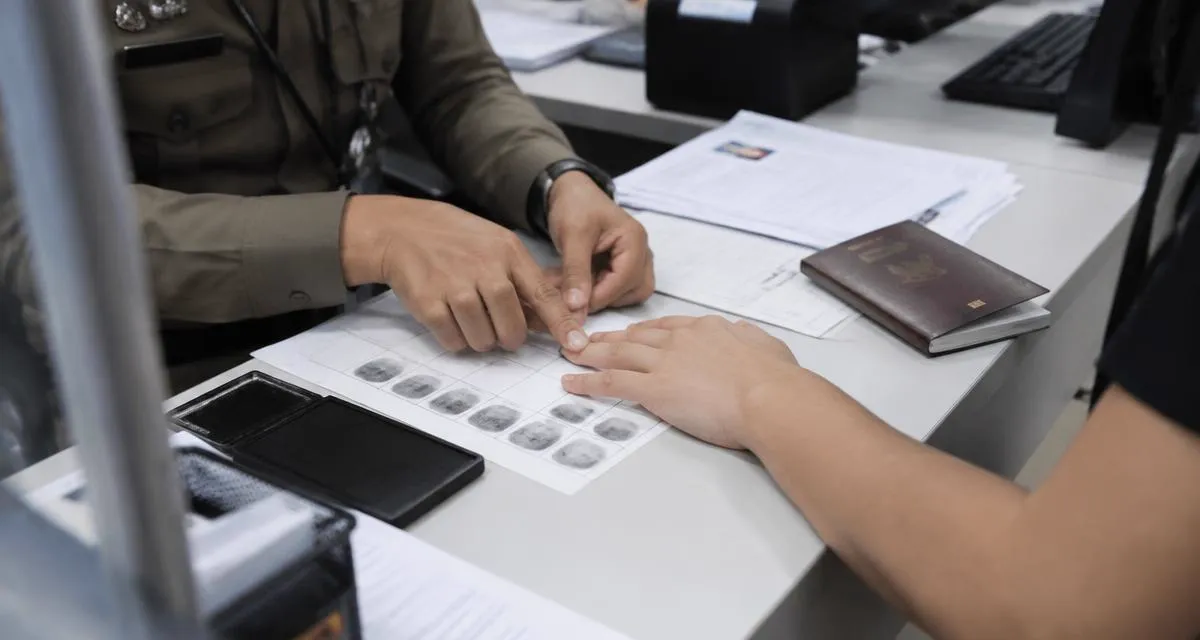
where to get fingerprints for thai police check
You can have fingerprints taken at the Royal Thai Police Police Clearance Service Center in Bangkok or, where accepted, through a local police station or an overseas fingerprinting provider. Before booking, ask the Royal Thai Police which fingerprint format, number of sets, and officer certification your application requires. If you are outside Thailand, check whether your nearest Thai embassy or consulate offers fingerprinting or identifies suitable local providers. Bring your passport and the required fingerprint forms. Unclear impressions or missing identification details can lead to requests for replacement prints. A translation agency can help organize supporting documents, but fingerprint collection must follow the police authority’s requirements. Confirm current requirements with the official authority before filing.
48 keywords and 87 expat Q&A in cluster Overseas visa & PR — a fee quoted after review · timing set by the police queue.
Questions in this cluster (87)
- Q1001. where to get fingerprints for thai police check
You can have fingerprints taken at the Royal Thai Police Police Clearance Service Center in Bangkok or, where accepted, through a local police station or an overseas fingerprinting provider. Before booking, ask the Royal Thai Police which fingerprint format, number of sets, and officer certification your application requires. If you are outside Thailand, check whether your nearest Thai embassy or consulate offers fingerprinting or identifies suitable local providers. Bring your passport and the required fingerprint forms. Unclear impressions or missing identification details can lead to requests for replacement prints. A translation agency can help organize supporting documents, but fingerprint collection must follow the police authority’s requirements.
- Q1007. What is the official Power of Attorney (POA) process for getting a Thai police clearance from abroad?
The correct Power of Attorney process starts with obtaining the form and signing instructions currently accepted by the Royal Thai Police Police Clearance Service Center. Specify whether your representative may submit the application, respond to document requests, collect the certificate, or perform other permitted tasks. Ask the Center what identity documents must accompany the authorization and whether copies require certification. Because you are signing abroad, confirm whether witnessing, notarization, or Thai consular authentication is required; do not assume these procedures are interchangeable. Your nearest Thai embassy or consulate can explain any consular services involved. Send the original authorization only when instructed, and retain copies and shipment tracking.
- Q1008. How many processing days does it usually take to issue a Thai Police Clearance Certificate?
There is no single processing-day estimate that should be relied on for every Thai police clearance application; obtain the current estimate from the Royal Thai Police Police Clearance Service Center. Ask whether its estimate starts when documents arrive or only after the application is accepted as complete. Overseas delivery, replacement fingerprints, missing records, and identity discrepancies can add time outside the certificate’s issuance stage. Translation and any required legalization also need separate scheduling. If you have a visa deadline, tell the Center and ask the receiving embassy or immigration authority whether proof of a pending police application is acceptable. Avoid making nonrefundable plans based solely on an intermediary’s estimated completion date.
- Q1009. Is there an express or fast-track service available for Thai police background checks?
Do not assume an official express or fast-track option exists; ask the Royal Thai Police Police Clearance Service Center whether any expedited procedure is currently available for your application type. If an agency advertises faster service, distinguish its own document-preparation or courier turnaround from the police authority’s issuance process. Request a written explanation of what is expedited, who performs it, and which charges are official versus private. Preparing complete records and acceptable fingerprints can help avoid preventable delays, but it cannot guarantee earlier issuance. For an urgent visa deadline, also ask the destination embassy or immigration authority whether it permits later submission of the certificate.
- Q1012. What exact documents do foreigners currently living in Thailand need to provide for a police check?
The exact document list for a foreign resident depends on the application circumstances, so use the Royal Thai Police’s current checklist rather than a generic agency list. Common preparation items include your passport, relevant Thai visa and immigration pages, the completed application form, and evidence of the purpose of the certificate. The Center may also request documents connected to your stay, employment, residence, or identity history. Ask which items apply to you, especially if you are retired, studying, unemployed, or have changed passports. Confirm photograph, fingerprint, copy-certification, and original-document requirements. Ensure names and dates match across records, and request instructions for any unavailable document before submitting.
- Q1014. Where can foreigners living upcountry (outside Bangkok) get their fingerprints taken for a police check?
Foreigners outside Bangkok can ask a local police station whether it provides fingerprinting suitable for a Royal Thai Police police clearance application. Availability and familiarity with overseas-use certificates can vary, so first obtain the Police Clearance Service Center’s current fingerprint instructions and confirm that locally taken prints will be accepted for your route. Bring your passport, the specified fingerprint sheets, and instructions covering officer identification, signatures, and station stamps. Ask the station about appointments before traveling. If it cannot provide the required service, request guidance from the Center on an alternative location. Fingerprinting outside Bangkok does not necessarily mean that the station can also receive or process your clearance application.
- Q1015. Where should a Thai citizen residing overseas go to get their fingerprints taken for a Thai police clearance?
A Thai citizen overseas should first check whether the nearest Thai embassy or consulate offers fingerprinting, or use a local police or fingerprinting provider acceptable to the Royal Thai Police. Not every diplomatic mission provides this service, and local appointment arrangements differ. Obtain the Police Clearance Service Center’s current requirements for fingerprint format, number of sets, identity verification, and the collecting officer’s certification before attending. Bring your passport, Thai identification where required, and the appropriate fingerprint sheets. Ask whether fingerprints need any additional authentication before submission; local notarization alone should not be assumed sufficient. Keep the completed sheets clean and undamaged, and follow the Center’s overseas application instructions.
- Q1016. Can I use a standard international fingerprint card like the FBI FD-258 form for a Thai police check?
An FBI FD-258 card should be used for a Thai police check only if the Royal Thai Police confirms that it is acceptable for your application route. A standard international format is not automatically interchangeable with the fingerprint form requested by the Thai authorities. Before booking fingerprinting, ask the Police Clearance Service Center which form, number of sets, identification details, and certifying officer information are required. If applying from abroad, also confirm which local police stations or authorized fingerprint providers they accept. Have the technician check that every required impression is clear and that your name matches your passport. Do not send the only original set until you have verified the submission instructions and retained copies for reference.
- Q1017. Will a previous criminal conviction in Thailand disqualify me from getting a police clearance certificate?
A previous conviction in Thailand does not automatically mean you cannot request a police clearance certificate, but it may affect the findings reported or how your request is handled. The Royal Thai Police determines what can be issued based on its records and your case status. Prepare your case number, final court judgment, and any official evidence that the sentence or other court orders were completed. Ask the Police Clearance Service Center which documents it needs to verify the outcome. Separately, the destination immigration authority decides how a conviction affects visa eligibility; issuance of a certificate does not establish admissibility. Answer criminal-history questions accurately, even if the certificate wording appears favorable, and seek qualified immigration advice if the disclosure requirements are unclear.
- Q1021. How long is a Thai Police Clearance Certificate officially valid for immigration purposes?
There is no single Thai police certificate validity period that applies to every immigration system; the receiving authority sets its own acceptance rules. A certificate records the result of a check at issuance, rather than guaranteeing your status for a universal period afterward. Check the destination embassy or immigration authority’s current guidance for your visa category, including how recently the certificate must have been issued. Some rules also consider whether you still live in Thailand or have returned there since issuance. Time the application around the stage when the certificate will actually be submitted or reviewed. Translation or MFA legalization does not refresh the underlying certificate’s issue date, so confirm acceptance before paying to process an older document.
- Q1023. Are there trusted professional agencies in Thailand that handle police clearance applications for expats?
Professional agencies in Thailand can assist expats with police clearance paperwork, but reliability should be checked rather than inferred from advertising or promises. NYC Visa & Translation in Bangkok’s Lat Phrao 95 is one option to contact about application support, translation, and legalization coordination. Before appointing any provider, request a written scope of work, an itemized quotation, and an explanation of which steps require your own attendance or fingerprints. Confirm directly with the Royal Thai Police whether a representative is permitted for your application route and what authorization is needed. Ask how passports, fingerprints, and criminal-history documents are protected and returned. Avoid providers offering to erase records, bypass identity checks, or guarantee a clear certificate or visa approval.
- Q1026. How can foreign expats in Phuket easily process their Thai police background checks?
Expats in Phuket can reduce unnecessary travel by confirming the permitted application route with the Royal Thai Police before arranging fingerprints or sending documents. Ask whether your circumstances allow postal submission or an authorized representative, and where fingerprints can be taken in a format the Police Clearance Service Center accepts. Do not assume that a Phuket police station can issue the national clearance certificate itself. Prepare your current passport, evidence relating to your stay in Thailand, and any additional documents on the official checklist. NYC Visa & Translation’s Bangkok office can be contacted about remote document review and coordination; confirm the available service before shipping originals. Use tracked delivery, retain scans, and check your destination authority’s translation and legalization requirements at the outset.
- Q1027. Is there a reliable service provider for Thai police clearance assistance in Nong Khai?
NYC Visa & Translation works with an agent in Nong Khai that you can approach for police clearance document support and associated translation services. Assess suitability by asking for a written checklist, clear service boundaries, and secure arrangements for handling your identity documents. If you live across the border in Laos or travel frequently, explain where you will be when applying and receiving the certificate; this may affect fingerprinting, authorization, and delivery arrangements. Confirm with the Royal Thai Police which submission route applies rather than assuming a border-area office can issue the certificate locally. Ask the branch whether it coordinates submission or only prepares documents. Before commissioning translation or legalization, provide the destination authority’s instructions so the work matches the actual requirement.
- Q1028. What documents are required by Australian Immigration (ImmiAccount) for a Thai police certificate?
For an Australian visa application, upload the Thai police certificate requested by the Department of Home Affairs, plus an English translation if the certificate is not in English. Distinguish this upload requirement from the identity and fingerprint documents needed to obtain the certificate from the Royal Thai Police. Check your ImmiAccount request letter and Home Affairs’ country-specific instructions for the correct certificate and any additional evidence. Scan all relevant pages clearly, including stamps and endorsements, and follow the portal’s current file rules. Home Affairs generally requires translators in Australia to hold NAATI accreditation; translations completed overseas must meet its stated translator-detail requirements. Confirm current guidance for your circumstances. Keep the original certificate and translation, and do not assume notarization or MFA legalization is required unless specifically requested.
- Q1029. What are the specific submission requirements for a Thai police check for a US immigration (USCIS/NVC) file?
For a US immigrant visa processed through NVC, follow the Department of State’s Thailand reciprocity schedule and your case instructions; USCIS filings do not all require the same police certificate. First determine whether you are completing consular processing or a USCIS procedure, such as adjustment of status, where routine police-certificate requirements differ. For NVC, obtain the Thai certificate described in the reciprocity schedule, upload a complete readable scan to CEAC when instructed, and retain the original for the interview. Follow the applicable translation rules; when a translation is required, it must include the translator’s certification of accuracy and competence. If you have a conviction, separate court and prison records may also be required. Check current embassy instructions rather than adding MFA legalization automatically.
- Q1030. How do I format a Thai police clearance certificate for a UK visa application (UKVI)?
For a UK visa application, submit a clear, complete copy of the Thai police certificate in the format specified by your UKVI application or document-upload service. Do not retype, redesign, or remove parts of the certificate to make it resemble a UK document. First check whether your visa route requires a criminal record certificate and whether the Thai document meets the applicable issue-date requirements. If it is not in English or Welsh, provide a full translation meeting UKVI’s current certification requirements, including the translator’s accuracy confirmation, date, name, signature, and contact details. Include relevant stamps, seals, and reverse-side endorsements. Follow current file-size and upload instructions, retain the original, and arrange MFA legalization only if UKVI or the receiving authority explicitly requires it.
- Q1031. What is the process for submitting a Thai police background check for a Canadian PR application?
For Canadian permanent residence, obtain the Thai police certificate specified by Immigration, Refugees and Citizenship Canada (IRCC), then submit it according to your application’s document instructions. Start with IRCC’s country-specific guidance for Thailand, because requirements can differ depending on whether you currently live in Thailand or abroad. Apply through the Royal Thai Police Police Clearance Service Center using the required identity, residence, and fingerprint documents. Check that your name and passport details match your Canadian application. If the certificate is not in English or French, follow IRCC’s current translation and supporting-document rules. Upload all required pages clearly, retain the original, and do not assume embassy legalization is required unless IRCC specifically requests it.
- Q1033. Is a police background check mandatory for a Thai spouse visa or marriage registration process?
A police background check is not normally a standard requirement for marriage registration in Thailand or a routine marriage-based Thai visa application, although individual circumstances can change the document list. For marriage registration, ask the district office about proof of freedom to marry, identity documents, translations, and legalization. For a marriage-based visa or stay extension, consult the responsible Royal Thai Embassy or Thai Immigration Bureau rather than relying on the marriage-registration checklist. If you mean a spouse visa for another country, that country may require Thai police clearance based on your residence history. Confirm the exact visa category and receiving authority before paying for a certificate or arranging its translation.
- Q1038. Can I track the processing status of my Thai police clearance application online?
You may be able to track your Thai police-clearance application online if the Police Clearance Service Center provides tracking for your submission route. Check your receipt or acknowledgment for official tracking instructions and keep your application reference available. Use links from the Royal Thai Police rather than search advertisements or unsolicited messages asking for passport details. If no tracking option appears, contact the center through the channels listed on its official website, or ask your authorized representative for a documented update. A processing status does not necessarily mean the original certificate has been dispatched. For delivery, request a separate postal or courier tracking reference once shipment has actually occurred, and keep both records.
- Q1040. Are mobile fingerprinting services available for expats residing in Thailand?
Mobile fingerprinting may be available through private providers in Thailand, but suitability depends on whether the Royal Thai Police accepts the fingerprints for your application. Before booking a home or workplace visit, obtain the Police Clearance Service Center’s current instructions on fingerprint format, identity verification, and who may take or certify the prints. Ask the provider specifically about Thai police-clearance applications rather than general biometric services. A convenient appointment is not useful if the fingerprint card, endorsement, or print quality fails the receiving authority’s requirements. Confirm what happens if fresh prints are requested and whether another visit costs extra. NYC Visa & Translation can help clarify document preparation without assuming a mobile provider’s work will be accepted.
- Q1042. Is formal parental consent required for processing a minor's Thai police background check?
A minor’s Thai police-clearance application may require formal parent or legal-guardian authorization, but the exact consent procedure must be confirmed with the Royal Thai Police. Ask the Police Clearance Service Center whether it requires a signed consent form, the adult’s attendance, or permission from more than one person with parental authority. Prepare the child’s identity documents and evidence of the relationship, such as a birth certificate. Where custody or guardianship arrangements apply, ask which supporting orders or records are needed. If a parent is abroad, verify whether remotely signed documents require certification or legalization. Do not assume that a school, relocation company, or accompanying relative can authorize the application without proof of legal authority.
- Q1048. What is the average market price for hiring an agency to handle a Thai police check?
There is no reliable single market-average agency price I can quote for a Thai police check without comparing current, itemized offers. The scope can differ substantially: one quotation may cover only document review, while another includes authorized submission, collection, and international delivery. Request a written breakdown separating government charges from agency work, fingerprinting, certification, translation, legalization, and courier costs. Ask what happens if the police request additional documents or require your personal attendance. Confirm official charges directly with the Royal Thai Police rather than treating an agency’s bundled total as a government fee. Compare equivalent services, payment terms, receipts, and cancellation conditions—not merely the lowest advertised starting price.
- Q1049. How can I verify the legitimacy and reliability of a Thai police clearance service provider?
Verify a Thai police clearance provider through its registered business identity, physical office, written service terms, and transparent handling of your documents. Check the legal entity through Thailand’s Department of Business Development where applicable, and ensure the quotation, invoice, and payment recipient are consistent. Registration alone does not establish reliability, so also examine independent reviews and ask how submission and collection are documented. A legitimate agency cannot erase criminal records or guarantee visa approval. Request a privacy policy, clear rules for retaining passport copies and fingerprints, and receipts for original documents. Confirm the actual application procedure with the Royal Thai Police, especially if the provider claims special access or exemption from required checks.
- Q1059. Do foreign expats on a Thai Retirement Visa need to provide bank references when applying for a police check?
Holding a Thai retirement visa does not by itself establish that bank references are required for a police clearance application. Financial documents used for retirement-stay permission serve a different purpose from criminal-record screening. Check the current foreign-applicant checklist with the Royal Thai Police Police Clearance Service Center and explain your nationality, residence status, and intended use of the certificate. Ask specifically which passport, immigration, address, fingerprint, and purpose-of-application documents apply to your situation. If an agency requests bank statements or a bank reference, ask whether the request comes from the police, the destination authority, or its own internal process. Avoid sharing sensitive financial records without a clear, documented reason.
- Q1060. What supporting evidence do divorced foreigners need to present for a Thai police background check?
Divorced foreign applicants may need divorce or name-change evidence when it explains identity differences, but divorce does not automatically create a separate police-clearance checklist. Begin with the Royal Thai Police Police Clearance Service Center’s current requirements for foreign applicants. If your passport, former Thai immigration records, or earlier documents use a married surname, ask which records are needed to link the names. These might include a divorce certificate, relevant court order, marriage certificate, or formal name-change document, depending on the circumstances. Confirm whether foreign-language evidence requires translation or authentication before arranging either. Distinguish documents requested for the Thai background check from separate divorce evidence required by the destination’s visa or immigration authority.
- Q1063. What is the standard resolution process if a Thai police record check results in a false name hit (name match)?
A suspected false name match should be resolved through identity verification with the Royal Thai Police, not by asking an agency to remove or overlook the result. First, ask the office handling your application what triggered the match and which unit must review it. Provide the requested identity evidence, potentially including fingerprints, current and previous passports, Thai identity documents if applicable, and name-change records. Check spelling, transliteration, birth dates, and previous names carefully. If the disputed record references a particular case, ask whether supporting records from the relevant police station or court are needed. Retain submission receipts and request confirmation of the corrected result before arranging translation or legalization.
- Q1064. How long does a name hit verification or fingerprint clearance check usually take at the Criminal Records Division?
There is no dependable universal timeframe for a name-match review or fingerprint verification at the Criminal Records Division. The duration depends on whether fingerprints are usable, identity details are consistent, and another police station or court must supply records. Ask the Royal Thai Police office handling the review for a case-specific estimate and whether any documents remain outstanding. If your application is with the Police Clearance Service Center, confirm which office is responsible for follow-up rather than assuming the two units use the same timeline. Keep your reference number and submission date available. For an approaching visa deadline, ask the receiving immigration authority whether evidence of the pending check is acceptable.
- Q1066. Can I submit a scanned copy of my Thai police clearance to immigration authorities while waiting for the physical mail?
You may submit a scanned Thai police clearance while the original is in transit only if the receiving immigration authority permits electronic copies at that stage. Check the document-upload instructions for your particular visa rather than assuming acceptance across countries or application categories. Scan the complete certificate clearly, including seals, signatures, reverse-side endorsements, and any legalization pages. Include the required translation and translator’s certification as instructed. Keep the original and courier tracking details because an officer may later request physical inspection or delivery. If a deadline is approaching, seek guidance from the destination embassy or immigration authority; a scan or mailing receipt does not automatically satisfy the requirement.
- Q1069. Must fingerprints taken at a local Thai police station be officially signed and stamped by a commissioned officer?
Fingerprint sheets taken at a Thai police station generally need the required official authentication, but confirm whether a commissioned officer’s signature and stamp are specifically required for your application. Obtain the current fingerprint instructions from the Royal Thai Police Police Clearance Service Center before visiting the station. Ask the station to include every required officer detail, signature, date, and station seal, rather than assuming clear fingerprints alone are sufficient. Check that your name and passport number match your application and that all required impressions are present. A translator’s stamp or private notarization cannot replace missing police authentication. Request correction at the fingerprinting station before sending the originals onward.
- Q1070. Do fingerprint cards processed overseas (such as FBI cards) require Notary Public certification before mailing to Thailand?
Overseas fingerprint cards do not automatically require notarization; the requirement depends on the Royal Thai Police’s current instructions for where and how the prints are taken. An FBI-style card is a form, not proof that the FBI or another competent authority authenticated the fingerprints. Before booking, ask the Police Clearance Service Center which overseas fingerprint providers, card formats, signatures, and stamps it accepts. Also check with the relevant Royal Thai Embassy or Consulate for location-specific guidance. Notarizing a signature may not satisfy a requirement for police or consular authentication. Confirm the required number of original cards, check their legibility, and retain scans before mailing the package with tracking.
- Q1078. Does a Thai police certificate submitted for a German visa requirement need any extra consular seals?
A Thai police certificate does not automatically need extra consular seals for every German visa submission; the requirement depends on the receiving authority’s instructions. Check the current checklist from the German Embassy in Bangkok and any separate request from the German immigration authority handling your case. Ask specifically whether they require the original certificate, a German translation, and legalization or another document-authentication procedure. A translator’s certification is not the same as government authentication, and neither should be ordered simply because an agent says it is always necessary. If authentication is requested, confirm the applicable sequence with the German Embassy and Thailand’s Department of Consular Affairs before arranging translation or submitting the original.
- Q1084. Between traditional ink fingerprinting and digital scanning, which method do Thai authorities prefer?
There is no single ink-versus-digital preference you should rely on; Thai police acceptance depends on the application route and the fingerprint submission specifications. For an in-person application, follow the Royal Thai Police Police Clearance Service Center’s capture procedure. If applying from overseas, confirm whether it accepts ink impressions, printed digitally captured fingerprints, or another specified format. A digital scan is not automatically acceptable as an emailed file, and a printout may still need the fingerprinting officer’s certification and agency details. Check the required form, number of sets, and identification procedure before attending your appointment. Clear, complete impressions and proper certification matter more than choosing a technology based on convenience alone.
- Q1085. What international courier service is safest for mailing physical fingerprint documents from abroad to Thailand?
No international courier can be identified as universally safest; choose a tracked service with reliable delivery coverage and proof of delivery for the confirmed Thai recipient. Compare established carriers such as DHL, FedEx, and UPS based on their service from your country, not brand name alone. Before booking, ask the Royal Thai Police Police Clearance Service Center or your authorized representative to confirm the delivery address and whether courier deliveries are accepted. Protect fingerprint sheets in a rigid, moisture-resistant document envelope and avoid folding across impressions. Keep scans and the tracking receipt, but remember copies may not replace lost originals. Check loss-claim terms, since compensation may not cover the cost of repeating fingerprinting.
- Q1087. Do police clearance agencies provide high-resolution scanned PDF copies via email before physical dispatch?
Some police-clearance agencies offer scanned PDFs before dispatch, but this is a service arrangement rather than an automatic Royal Thai Police entitlement. Confirm it in writing before appointing an agency, including whether it will scan the complete certificate, reverse-side text, seals, and attachments. Request a clear colour PDF without cropping, alterations, or glare, and agree on a secure delivery method because the document contains sensitive identity information. Ask the agency to check the certificate’s name and passport details before shipping the original. A scan can help with translation preparation or online uploading, but it is not automatically a substitute for the physical certificate; confirm acceptance with the destination embassy or immigration authority.
- Q1089. Are Thai police clearance certificates printed in a bilingual format (Thai and English simultaneously)?
You should not assume a Thai police clearance certificate will contain every statement in both Thai and English; check the format issued for your application. Ask the Royal Thai Police Police Clearance Service Center what language version is available for the intended overseas use before submitting your request. When you receive it, inspect the result, personal details, remarks, seals, and any attachments rather than checking only the heading. An English-language certificate may avoid a separate translation where the receiving authority accepts English, but that is not universal. Confirm the destination embassy’s language and translator requirements. Where untranslated Thai content remains relevant, ask whether a translation of that content or the complete document is required.
- Q1096. Can expats in Pattaya use express bus or domestic air cargo services to expedite their police check documents?
Expats in Pattaya may use a carrier that accepts documents, but express bus or domestic air cargo transport does not accelerate police processing itself. Before dispatch, confirm that the Royal Thai Police office or your authorized representative accepts the proposed delivery method. Bus cargo may require collection at a terminal rather than delivery to the application office, while air cargo can involve airport handover and collection arrangements. Compare those practical steps with a tracked door-to-door courier. Use tamper-evident, water-resistant packaging, retain scans, and record the tracking or consignment number. Send original passports or irreplaceable documents only when specifically required, and check the carrier’s compensation exclusions before handing them over.
- Q1097. What special prerequisites apply if I urgently require my Thai police clearance within 2 working days?
A Thai police clearance within two working days should not be assumed available; first ask the Police Clearance Service Center whether any official urgent arrangement applies. Do not treat an agency’s express label as confirmation of an official processing option. Explain your deadline and ask what, if any, evidence of urgency is required. Prepare the current application documents, acceptable fingerprints where required, identity records, and any requested court-disposition papers before submission. Name discrepancies, unclear fingerprints, incomplete authorization, or unresolved record questions can complicate the application. Also check whether your deadline includes translation, legalization, and delivery, since these are separate steps. Ask the receiving embassy or immigration authority whether later submission of the certificate is permitted.
- Q1099. What alternative procedures apply for fingerprinting if an applicant has injured hands or missing fingers?
Applicants with injured hands or missing fingers should obtain fingerprinting instructions from the Police Clearance Service Center before submitting an incomplete fingerprint set. Tell the fingerprinting officer which fingers are affected and whether the condition is temporary or permanent. Ask how unavailable impressions must be recorded and whether a medical certificate or other supporting evidence is required. Do not leave unexplained blank spaces or attempt to recreate an impression yourself. For overseas fingerprinting, confirm that the local police or other fingerprint provider can follow the Royal Thai Police’s required format and annotations. A temporary injury may require discussion about rescheduling, but only the receiving authority can determine what alternative evidence or procedure it will accept.
- Q1106. How many business days does a fast-track (express) Thai police clearance service typically take?
There is no reliable universal business-day figure for an express Thai police clearance service; confirm the current processing estimate directly with the Royal Thai Police Police Clearance Service Center. An agency’s “fast-track” label may cover faster document preparation, submission, or courier delivery rather than an officially expedited police check. Before paying, request a written breakdown showing when the estimated period starts and whether it excludes fingerprint corrections, missing documents, holidays, or delivery. Ask whether any expedited processing is officially available for your circumstances. Keep translation and legalization deadlines separate from certificate issuance, and avoid booking nonrefundable travel based solely on an agency’s estimated completion date.
- Q1108. What happens to my ongoing police clearance application if my passport gets lost or replaced mid-process?
A lost or replaced passport can require an update to your pending police clearance application, so notify the Police Clearance Service Center promptly rather than submitting a second application automatically. Quote your application reference and explain whether the passport was lost, renewed, or replaced following a name change. Ask which supporting records are needed, such as a replacement passport copy, loss report, or evidence linking the old and new passport numbers. If an agency submitted the application, send the same update through that agency and request confirmation. Before translation or legalization, check which passport details appear on the certificate and whether the destination authority requires correction or supporting evidence.
- Q1109. Must fingerprints taken at a provincial police station (e.g., Khon Kaen or Udon Thani) be signed by a duty officer?
Fingerprints taken at a provincial police station should be authenticated by the officer taking or supervising them, but confirm the precise signature and stamp requirements with the Police Clearance Service Center. The important point is proper officer identification and completion of the required fields, not simply whether someone holds the title of duty officer. Before visiting a station in Khon Kaen or Udon Thani, ask whether it provides fingerprinting for police clearance applications and can complete the accepted form. Bring your identification and the current instructions. Before leaving, check the prints for clarity and confirm that the date, officer details, signature, and any required station seal are present.
- Q1110. Where can I download the official Royal Thai Police fingerprint form (TPF format)?
Obtain the fingerprint form through the Royal Thai Police Police Clearance Service Center’s official website or request the current file directly from the Center. Look for its application documents or fingerprinting instructions, particularly the guidance for applicants outside Thailand. Do not assume a third-party download labelled “TPF” is the current accepted form; confirm that designation with the Center if it appears in your agency’s instructions. Print according to the official size and layout requirements, without resizing or cropping the fingerprint boxes. Bring the instructions to your fingerprint appointment so the officer knows which identification, signatures, and stamps are required. Confirm the required number of completed fingerprint sheets before attending.
- Q1112. Do fingerprint cards completed overseas require Notary Public authentication before mailing to Thailand?
Notary Public authentication is not something you should assume is mandatory for every fingerprint card completed overseas; check the requirements for your issuing country with the Police Clearance Service Center. Officer signatures and police station stamps authenticate the fingerprint-taking process, while notarization may serve a different purpose and cannot correct unclear prints. Send the Center a description of who will take your fingerprints and ask whether any additional certification is needed. Also distinguish requirements for the fingerprint card from those for passport copies or authorization documents. If notarization is requested, clarify exactly what must be certified before paying, and retain scans of the completed documents before mailing the originals.
- Q1128. How many delivery days does DHL Express take to ship an original Thai police certificate to relatives abroad?
DHL Express delivery days depend on the destination, service availability, pickup date, and clearance conditions, so obtain a current route-specific estimate rather than relying on a fixed number. Request the estimate using the actual Bangkok pickup postcode and the recipient’s full overseas address. Distinguish the courier’s transit estimate from the time needed to issue the police certificate, translate it, or complete legalization before dispatch. Remote-area delivery, weekends, public holidays, and customs queries can affect arrival. Keep a scan of the certificate, use protective document packaging, and share tracking securely. Also confirm whether the receiving visa authority accepts delivery through relatives or requires another submission channel.
- Q1134. Do foreign nationals holding a Thai Smart Visa enjoy streamlined or expedited police check procedures?
Holding a Thai Smart Visa does not by itself establish entitlement to an expedited or simplified police clearance procedure. Confirm any claimed special arrangement directly with the Royal Thai Police Police Clearance Service Centre before relying on it. Provide your visa category when requesting the current checklist, and ask whether the same fingerprint, identity, residence-history, and purpose-document requirements apply to your circumstances. If a Smart Visa support office has referred you, obtain written instructions identifying the actual application channel. Distinguish assistance with coordinating paperwork from an official priority-processing entitlement. An agency’s promise of fast handling should not be confused with a police commitment to issue the certificate sooner.
- Q1136. Can a Thai police certificate explicitly stating a designated immigration purpose be used for an entirely different context?
A Thai police certificate naming a specific immigration purpose may be rejected for a different use, so obtain the new receiving authority’s written acceptance before reusing it. Send that authority a clear copy and explain the intended context, such as employment, professional licensing, or another country’s visa application. Ask whether the stated purpose, named recipient, issue date, and certificate format satisfy its requirements. If not, contact the Royal Thai Police Police Clearance Service Center about obtaining a certificate for the correct purpose. A translation cannot legitimately remove or alter the original purpose statement, and legalization does not make a purpose-restricted document suitable for every application.
- Q1140. Is there an extra surcharge for utilizing digital live-scan fingerprinting at the Pathumwan Criminal Records Division?
I cannot verify a separate live-scan surcharge at the Pathumwan Criminal Records Division; confirm the current fee directly with the Royal Thai Police before attending. Also verify that this is the correct office and fingerprinting service for your intended police clearance application, rather than a different criminal-record search. Ask whether digital fingerprint capture is available for your applicant category, whether an appointment is required, and whether any fingerprinting charge is separate from the certificate application charge. Request an official receipt for payments. If an intermediary quotes an additional amount, ask for an itemized breakdown distinguishing government charges, fingerprinting assistance, and its own service fee.
- Q1141. If my Thai civil registration name differs from my foreign passport name, which name will authorities prioritize?
There is no safe blanket rule that either your Thai civil registration name or foreign passport name will automatically take priority. The Royal Thai Police must establish your identity, while the receiving immigration authority may require the certificate to match the passport used for that application. Present both records together with any official name-change, marriage, citizenship, or other documents linking the names. Ask the Police Clearance Service Center how the current name and previous or alternative names should appear before issuance. Translators should preserve the source document’s information and use supporting evidence for consistent romanization, rather than silently replacing one name with another.
- Q1144. Are there express fast-track procedures for airline pilots and flight crew members needing urgent police checks?
You should not assume that airline pilots or flight crew qualify for an official fast-track Thai police clearance simply because their work is urgent. Ask the Royal Thai Police Police Clearance Service Center whether any current priority procedure covers your circumstances and what evidence it requires. An airline letter stating your role, reporting deadline, and the requesting regulator may help explain urgency, but it does not create an entitlement to expedited issuance. Check with the airline or aviation regulator whether temporary evidence of a pending application is acceptable. Prepare complete identity and fingerprint documentation, and treat an agency’s express promise cautiously unless it identifies a verifiable official procedure.
- Q1145. Is an original prison discharge certificate (Release Certificate) always mandatory for applicants with past convictions?
An original prison discharge certificate should not be assumed mandatory for every applicant with a past conviction; the required evidence depends on the case and current police instructions. Some convictions do not involve imprisonment, so a release document may not exist. Tell the Royal Thai Police Police Clearance Service Center what sentence was imposed and whether it has been completed, then ask which supporting records are needed. These might include court documents or evidence of release, payment, probation completion, or another final disposition, if specifically requested. Confirm whether originals, certified copies, or verification from the issuing institution are acceptable before surrendering irreplaceable records.
- Q1147. Can foreign nationals whose visas have expired (Overstay) still successfully apply for a Thai police clearance certificate?
An expired Thai visa does not allow a reliable prediction of whether a police clearance application will be accepted, and overstay should be addressed separately. Ask the Royal Thai Police Police Clearance Service Center what documents and application route apply to someone with your current immigration status. Consult the Thai Immigration Bureau or a qualified Thai immigration lawyer about resolving the overstay, particularly before attending government offices in person. Applying through an agency does not regularize your stay or remove possible immigration consequences. If you are already abroad, ask about the overseas application procedure and how to document your previous Thai residence accurately; do not conceal expired visas or alter travel records.
- Q1154. Do foreign nationals who previously held a Thai marriage visa need to submit old marriage registry records?
Previously holding a Thai marriage-based visa does not, by itself, establish that old marriage registry records must accompany your police clearance application. The relevant question is whether the Royal Thai Police requires them to verify your identity, former names, relationship details, or immigration history in your particular case. Prepare your current passport and available records of previous Thai visas and stays, then request the checklist for foreign applicants. Marriage, divorce, or name-change documents may be useful where surnames differ across records. Do not confuse supporting documents required for the police check with marriage evidence separately required by the destination visa authority. Have the required documents confirmed before paying for certified copies or translations.
- Q1156. How many business days can an express fast-track agency service shorten the Thai police clearance process to?
No fixed number of business days can be responsibly promised for an agency’s express service, because the Royal Thai Police controls certificate issuance and any additional checks. An agency may shorten preparation, document review, submission, or delivery stages, but that is different from accelerating official assessment. Ask for a written breakdown distinguishing agency handling time from the authority’s current processing estimate. Confirm with the Royal Thai Police whether any official expedited route exists for your application type. Incomplete fingerprints, identity discrepancies, and records needing clarification can extend the process. Avoid relying on claims of guaranteed issuance by a particular date, and disclose your visa deadline before commissioning translations or arranging international delivery.
- Q1158. What procedural complications arise if a passport is lost or renewed while a police clearance application is pending?
A lost or renewed passport can create an identity-document mismatch during a pending police clearance application and may require updated documents or further verification. Notify the Royal Thai Police unit handling the application promptly, quoting your application reference and explaining the change. For renewal, retain a copy of the old passport’s identity page and provide the new passport details; for loss, ask whether a loss report or replacement-passport evidence is needed. Confirm whether processing can continue and which passport number will appear on the certificate. Update any agency authorization where necessary. Do not assume fingerprints must be repeated or the application restarted; obtain case-specific instructions before submitting duplicates or paying for another translation.
- Q1159. Do fingerprints taken at provincial police stations require a duty inspector's official signature and station stamp?
You should have the fingerprinting officer sign the card and obtain the station’s official stamp, but confirm whether the Royal Thai Police requires a particular officer rank. Do not assume a duty inspector’s signature is universally necessary or that any local stamp will suffice. Before visiting a provincial station, check that it provides fingerprinting for police clearance applications and will use the required form. Ask the officer to complete the identifying details, fingerprinting date, and official certification fields clearly. Smudged prints, missing impressions, or incomplete authentication can lead to a request for replacement cards. Confirm the required number of original cards with the Royal Thai Police before leaving the station.
- Q1160. What standard paper size should be used when printing out the official Royal Thai Police fingerprint form (TPF)?
Print the Royal Thai Police fingerprint form on the paper size specified in the current official template or its accompanying instructions, rather than guessing from a downloaded copy. Obtain the form directly from the Royal Thai Police and check its page settings before printing. If the official version is configured for A4, use A4 at actual size rather than automatically shrinking it to US Letter. Avoid “fit to page” settings that alter fingerprint-box dimensions, and check that no borders or certification fields are clipped. Confirm whether there are paper-weight or single-sided printing requirements. Use a clean, undistorted printout and have the fingerprinting provider inspect it before taking your impressions.
- Q1162. Do fingerprint cards completed overseas require prior Notary Public authentication before shipping to Thailand?
Notary Public authentication is not a universal prerequisite for every fingerprint card completed overseas; the requirement depends on the provider, country, and Royal Thai Police submission instructions. Ask whether cards bearing a police officer’s signature and official station stamp are sufficient for your application. If a private fingerprinting provider is involved, confirm whether additional certification is required and what exactly must be authenticated. Notarization of your signature does not necessarily authenticate the fingerprinting officer or establish that the prints were properly taken. Do not purchase notarization, an apostille, or consular legalization on assumption. Obtain the applicable instructions before mailing original cards, and retain clear scans and shipment tracking for reference.
- Q1167. Are special authorization letters or temple approvals required for Buddhist monks applying for a police check?
A monk should not assume that temple approval or a special authorization letter is required solely because of monastic status; the Royal Thai Police should confirm the applicable document checklist. Explain whether the application is for an overseas visa, religious assignment, or another purpose. Ask whether a monk identification document, ordination record, or temple letter is needed alongside standard identity documents. If a religious name differs from the passport or civil-registration name, clarify how that identity link should be documented. A temple letter does not automatically replace government identification or fingerprint requirements. If someone else will submit or collect the certificate, separately confirm the required authorization format.
- Q1168. Can retired expats living in Phuket authorize a Bangkok lawyer to process their background check entirely remotely?
A retired expatriate in Phuket may be able to appoint a Bangkok lawyer for permitted submission or collection tasks, but should not assume the entire police-check process can be completed remotely. Before signing an authorization, ask the Royal Thai Police Police Clearance Service Center whether representative applications are accepted for the applicant’s circumstances. Confirm whether fingerprints can be taken at an accepted location in Phuket and whether original identity documents or personal attendance are required. Give the lawyer a written scope covering submission, corrections, collection, and return delivery. Verify the lawyer’s professional status and request receipts. Retirement status alone does not remove identity-verification or fingerprint requirements.
- Q1169. Does the Police Clearance Service Center (PCSC) provide an online reservation system for booking appointment slots?
I cannot verify whether the Police Clearance Service Center currently operates an active online appointment-booking system, so check its official Royal Thai Police website before planning a visit. Look specifically for appointment instructions rather than assuming an online application form also reserves an attendance slot. If a booking link is available, access it through the official site and retain any confirmation showing the date, location, and required documents. Otherwise, ask the center whether your application category uses walk-in attendance or another arrangement. Appointment availability does not establish document eligibility, so review the checklist separately. Avoid third-party booking pages that request payment or sensitive identity information without verifiable official authorization.
- Q1172. If an applicant passes away during the background check processing period, can legal heirs claim the document?
Legal heirs should not assume they can collect a deceased applicant’s police certificate automatically; release depends on the Royal Thai Police’s rules and the claimant’s legal authority. Notify the Police Clearance Service Center of the death and ask whether the application can continue and who may receive the result. The center may request evidence such as a death certificate, claimant identification, proof of relationship, or estate-representative documents; obtain its specific checklist before submitting sensitive records. An authorization signed during the applicant’s lifetime should not be assumed to remain effective after death. Explain why the certificate is needed, since an estate matter may require a different disclosure process from a personal visa application.
- Q1178. How many transit days does DHL Express require to dispatch an original Thai police certificate overseas?
There is no single reliable DHL Express transit time for every overseas destination; request a current estimate using the actual Thai pickup address and recipient’s postal code. Distinguish the time needed to issue, collect, translate, and legalize the certificate from courier transit after DHL accepts the envelope. Check the shipment cut-off, available service, remote-area coverage, weekend delivery arrangements, and any destination restrictions. Confirm that the receiving authority accepts couriered originals and whether it needs a particular addressee or reference number. Keep a scanned copy and tracking record, and use protective packaging. Allow contingency for delivery exceptions rather than treating the quoted estimate as a guaranteed arrival date for a visa deadline.
- Q1182. Can a Thai Police Clearance Certificate be officially presented to seek sentence mitigation in overseas courts?
A Thai Police Clearance Certificate may be submitted in support of an overseas sentencing request if that court’s rules permit it, but its relevance and weight are for the court to decide. Ask your lawyer in the country concerned whether the certificate is useful and what filing, translation, and authentication requirements apply. A clearance certificate is not a substitute for judgments, rehabilitation evidence, or records explaining a previous conviction. Obtain a certificate that accurately reflects your identity and the relevant purpose, without assuming that a visa-addressed version will suffice. Confirm issuance requirements with the Royal Thai Police and document-admission requirements with the court registry or your lawyer.
- Q1183. Are official letters from the Ministry of Education required when processing checks for foreign exchange students?
A Ministry of Education letter should not be treated as a universal requirement for police checks involving foreign exchange students. The supporting documents depend on the applicant’s circumstances and the current Royal Thai Police checklist. Ask the Police Clearance Service Center whether an exchange-program confirmation, enrollment letter, or request from the host institution is required for your application. If someone requests a Ministry letter, clarify whether that requirement comes from the police, the exchange organizer, or the destination authority. Ensure school letters use the applicant’s passport name and clearly identify the program. For minors, separately confirm any parental authorization, identification, and fingerprinting requirements before arranging submission.
- Q1184. Do foreign nationals holding a Thai Smart Visa benefit from expedited or streamlined police check procedures?
Holding a Thai Smart Visa should not be assumed to provide priority processing or a simplified police-clearance application. Smart Visa immigration privileges do not, by themselves, establish an exemption from Royal Thai Police identity, fingerprint, or supporting-document requirements. Request the current checklist from the Police Clearance Service Center and explain your visa category and reason for needing the certificate. Prepare evidence of your Thai residence and immigration history where requested, including relevant previous passports if your identity records span multiple documents. If an employer or agent advertises a Smart Visa fast track, ask for the official policy supporting it before paying for a purported priority service.
- Q1190. Is there an extra surcharge for utilizing digital live-scan fingerprint technology at the Bangkok headquarters?
I cannot verify an additional official surcharge specifically for live-scan fingerprinting at the Bangkok police-clearance office. Before attending, ask the Royal Thai Police Police Clearance Service Center whether digital fingerprint capture is available for your application category and whether any separate charge applies. Request the current official fee schedule rather than relying on an agent’s bundled quotation. If using a service provider, have its administrative charges separated from government charges and request receipts. Applicants who already have fingerprints taken abroad should also confirm whether those prints are acceptable or whether fresh capture is necessary. Live-scan technology should not be assumed to include faster certificate issuance.
- Q1191. If civil registry names conflict with foreign passport names, which record do Thai police authorities prioritize?
There is no safe universal rule that either the civil registry or a foreign passport always takes priority when names conflict. The Royal Thai Police must reconcile the applicant’s identity, and the certificate’s name format should be confirmed before issuance. Submit the relevant passport and Thai identity or registry documents, together with name-change certificates, marriage records, or other evidence linking the names where applicable. Distinguish a genuine legal name change from a spelling or transliteration difference. Ask the Police Clearance Service Center whether an underlying record needs correction and how former names will be handled. A translator should preserve documented differences rather than silently make conflicting records match.
- Q1194. Are there express fast-track processing protocols available for commercial airline pilots and flight personnel?
Employment as an airline pilot or flight crew member should not be assumed to qualify an applicant for an official police-clearance fast track. Ask the Royal Thai Police Police Clearance Service Center whether any published priority arrangement applies to your specific circumstances. An airline’s deadline or an agent’s express package is not evidence of government priority. To avoid preventable delays, obtain the airline or aviation regulator’s instructions on certificate wording, issue-date requirements, translation, and authentication before applying. Prepare identity and fingerprint materials according to the current police checklist. If timing is critical, ask the receiving organization whether proof of submission is temporarily acceptable; do not presume it will be.
- Q1195. Is an original prison discharge certificate mandatory for individuals who completed sentences for past convictions?
An original prison discharge certificate should not be assumed mandatory for every applicant with a completed sentence, but supporting disposition records may be requested. Ask the Royal Thai Police Police Clearance Service Center what evidence is required for your particular conviction and whether originals, certified copies, or other official records are acceptable. A discharge document may show release from custody without establishing every detail of the judgment or completion of other obligations. Keep the relevant judgment and sentence-completion evidence available, and check for discrepancies in case numbers or identity details. If records are missing, contact the responsible correctional institution or court about replacements before submitting irreplaceable originals.
- Q1197. Can foreign nationals whose visas have lapsed into an overstay status successfully obtain a police clearance?
An overstay does not let us determine whether your police clearance application will be accepted; you should confirm your circumstances with the Royal Thai Police before applying. A criminal record check and immigration status are separate matters, but submitting an application does not regularise an overstay or protect you from immigration enforcement. Do not conceal expired permission to stay or provide altered immigration documents. Ask which passport pages, entry records, and status documents are required, and obtain advice from a qualified Thai immigration lawyer about addressing the overstay. If an agency offers assistance, understand that representation cannot remove immigration risks or guarantee certificate issuance.
- Q1199. Is it possible to alter the designated recipient mailing address after the police certificate has already been printed?
You may be able to change an undelivered certificate’s mailing destination, but changing recipient details printed on the certificate is a separate matter. First establish whether you mean the courier delivery address or an addressee appearing in the official document. Contact the Royal Thai Police Police Clearance Service Centre promptly with your application reference and ask whether dispatch can still be amended. If an agency is handling delivery, send written instructions and request confirmation before shipment. Once a package is dispatched, redirection depends on the carrier’s rules and identity checks. Never edit the certificate yourself; ask the issuing authority whether incorrect printed details require correction or reissuance.
- Q1200. Do professional agencies provide high-resolution digital PDF previews via email right after collection?
Some agencies offer high-resolution PDF scans after collection, but immediate email delivery is a service arrangement you should confirm before appointing them. Ask whether the scan includes every page, official stamps, signatures, and any reverse-side information. Specify whether you need a colour PDF for preliminary review, translation, or submission, because the receiving authority may still require the physical original. For privacy, request a secure download link or encrypted file, with the password sent separately, rather than an unprotected attachment. Confirm the recipient’s email address and the agency’s retention policy. A scan should reproduce the certificate faithfully, without retouching, removing marks, or changing personal details.
- Q1206. Can I authorise a proxy to collect my Thai police clearance?
A representative may be able to collect your Thai police clearance if the Royal Thai Police permits proxy collection and its authorisation requirements are met. Confirm the current rules with the Police Clearance Service Centre before preparing a power of attorney. Ask whether it requires a specific form, your original signature, copies of your identification, the representative’s identification, and the application receipt. If you are overseas, check whether the authorisation needs witnessing or certification rather than assuming a scanned signature is sufficient. State clearly whether the representative may only collect the certificate or also arrange translation and delivery. Use a trusted person and agree on secure handling of the original document.
- Q1207. What documents do I need for a Thai police clearance for a US K-1 fiance visa?
For a US K-1 application, prepare the Royal Thai Police identity and fingerprint documents plus evidence of the visa purpose, using the current US Embassy and police checklists. Common preparation items include your passport, Thai identification and house registration if applicable, previous-name documents, and any relevant immigration records requested for foreign applicants. Confirm whether your case letter or interview instructions must accompany the application and whether fingerprints are taken in person or submitted from abroad. Check the US Department of State’s Thailand reciprocity guidance and the US Embassy’s K-1 instructions to establish which police certificates you need. Do not order a translation automatically; follow the interviewing embassy’s specific language and translation requirements.
- Q1208. What documents do I need for an Australia partner visa 820 police clearance?
For an Australian subclass 820 partner visa, prepare the Thai police application documents and follow the Department of Home Affairs instructions on whether a Thai certificate is required. The police checklist may include your passport, Thai identification if applicable, previous-name evidence, records of your stay in Thailand, fingerprints, and evidence of the application purpose. If you are in Australia, confirm the Royal Thai Police overseas fingerprint and submission requirements before booking an appointment. Ensure names and dates match your immigration application, including former names. Home Affairs requires English translations of non-English documents, with translator requirements depending on where the translation is completed; check its current guidance and use a NAATI-certified translator where required.
- Q1209. What documents do I need for a Canada PR police clearance?
For Canadian permanent residence, use both IRCC’s Thailand-specific police certificate instructions and the Royal Thai Police checklist to prepare your documents. Depending on nationality and application location, these may include a passport, Thai identity documents, previous-name records, evidence of residence in Thailand, fingerprints, and evidence of your Canadian immigration application. Check whether your situation requires an IRCC request letter before applying rather than assuming the same procedure covers everyone. IRCC also sets rules about when a certificate must have been issued, so confirm the timing for your residence history. If translation is necessary, follow IRCC’s current English or French translation and supporting-document requirements; do not assume embassy legalization is automatically required.
- Q1210. What documents do I need for a UK ILR police clearance?
A Thai police certificate is not a routine requirement for every UK indefinite leave to remain application, so first check your specific route’s document checklist. Criminality questions in an application do not automatically mean you must obtain an overseas certificate. Follow current Home Office guidance and any case-specific request rather than relying on requirements for a different UK visa category. If a Thai certificate is requested, prepare the Royal Thai Police documents relevant to your nationality and location, potentially including your passport, fingerprints, previous-name records, and evidence of the request. Any non-English or non-Welsh document submitted should meet the Home Office’s applicable translation requirements. Do not purchase legalization unless the receiving authority specifically requires it.
- Q1211. What documents do I need for a Schengen visa Thai police clearance?
For a Schengen application that specifically requires a Thai police clearance, prepare your identity documents, evidence of your Thai residence, and the embassy’s request or visa-purpose documentation. A police certificate is not a standard requirement for every short-stay Schengen visa, so first check the destination embassy’s checklist. For the Thai application, ask the Royal Thai Police which passport copies, Thai ID and house-registration documents, photographs, fingerprints, and name-change records apply to your nationality and application route. Foreign applicants should also confirm requirements for previous Thai visas or residence evidence. Once issued, check whether the embassy accepts the certificate’s language or requires a certified translation and legalization. Long-stay national visas follow different rules from short-stay Schengen visas.
- Q1214. What documents do I need for a Japan permanent residence police clearance?
For Japanese permanent residence, first confirm that the Immigration Services Agency of Japan has actually requested a Thai police certificate; it should not be assumed necessary for every application. If requested, obtain the exact document instructions from your regional immigration office. For the Thai application, prepare your passport, relevant Thai identity or residence evidence, any name-change records, and documentation showing the purpose of the request. Ask the Royal Thai Police about fingerprints, photographs, and application arrangements for applicants living in Japan. Check whether a Japanese translation is required, what translator details must appear, and whether authentication is necessary. If any certificate is supplied in a sealed envelope with instructions not to open it, clarify translation and submission procedures before breaking the seal.
- Q1215. What documents do I need for a Korea F-6 marriage visa police clearance?
For a Korean F-6 marriage visa, the documents needed depend on whether the Korean embassy requires a Thai police certificate for your specific circumstances. Check its current F-6 checklist before ordering one, and distinguish the Thai applicant’s certificate from any criminal-record document requested from the Korean spouse. To obtain the Thai certificate, prepare your passport, applicable Thai ID and house-registration documents, name-change records, and supporting evidence of the visa purpose. Marriage documentation may help explain the request, but confirm the required package with the Royal Thai Police. Ask the Korean embassy about certificate recency, accepted language, translation certification, and authentication. Make sure names and dates match the passport and marriage records; unexplained differences can lead to requests for clarification.
- Q1216. What documents do I need for a Singapore PR police clearance?
For Singapore permanent residence, you need a Thai police clearance only if the Immigration & Checkpoints Authority specifically requests one for your application. Do not assume that a police certificate is part of every standard PR submission. If ICA requests it, retain the request letter or message and use it to establish the purpose when applying through the Royal Thai Police. Prepare your passport, relevant Thai identity or residence records, name-change documents, and any required fingerprints or photographs. Confirm the current Thai checklist for your nationality and whether you are applying from abroad. For submission to ICA, check its translation rules and upload instructions, including whether the original and translated pages must be combined. Legalization should be arranged only when required.
- Q1217. What documents do I need for a UAE residence visa police clearance?
For a UAE residence process that requires a Thai police clearance, prepare identity documents, Thai residence evidence where applicable, and documentation identifying the purpose of the request. Requirements can vary by residence category, emirate, employer, or professional licensing authority; a certificate requested for employment screening is not necessarily a universal visa requirement. Confirm the request with the relevant UAE immigration authority, such as ICP or GDRFA Dubai, or the licensing body. Ask the Royal Thai Police which passport copies, Thai records, fingerprints, photographs, and name-change documents you must submit. Before translating, verify whether English is accepted or Arabic is required. Confirm the applicable authentication sequence with Thailand’s Department of Consular Affairs, the UAE embassy, and the receiving UAE authority.
- Q1225. Can I get FBI FD-258 fingerprints taken in Bangkok?
Yes, fingerprints for an FBI FD-258 card can be taken in Bangkok, but confirm that the provider offers ink fingerprinting in the format required by your intended recipient. Ask the Royal Thai Police or a fingerprinting provider about current availability, appointments, identification requirements, and whether you must bring the card. Explain whether the prints are for an FBI Identity History Summary or another background-check process, because submission rules can differ. Follow the FBI’s current instructions on acceptable cards, required personal details, signatures, and print quality; fingerprints alone are not a completed background-check application. Check eligibility before using an FBI-approved channeler. Smudged or incomplete impressions can require retaking, and fingerprint collection does not include translation or authentication of the eventual report.
- Q1226. Can I get Australian AFP fingerprint check done in Thailand?
You can have fingerprints taken in Thailand for an Australian Federal Police (AFP) check, provided the AFP accepts the collection method and fingerprint format. First confirm whether you actually need a fingerprint-based check; an AFP National Police Check does not automatically require fingerprints. Obtain the current instructions directly from the Australian Federal Police before booking collection. Ask the fingerprint provider whether they can supply the required identification details, signatures, stamps, and print format. Follow AFP instructions for submitting the application and any original fingerprint sheet. A Thai police clearance is a separate document and cannot replace an Australian check when the receiving authority specifically requests one.
- Q1230. Can I pay for a Thai police clearance via PromptPay from overseas?
You can pay from overseas through PromptPay only if the Royal Thai Police currently offers that payment method for your application and your banking service supports it. Being outside Thailand does not itself establish whether a transfer will work; the account, bank application, and payment instructions matter. Obtain payment details directly through the official application channel rather than using a QR code forwarded by an unknown intermediary. Confirm the payable amount, recipient, required reference, and whether payment by another person is accepted. Keep the transaction receipt and follow the authority’s instructions for submitting proof. Do not send duplicate payments simply because the application status has not updated.
- Q1233. Do you offer fingerprint collection at hotels in Bangkok or Pattaya?
Hotel fingerprint collection in Bangkok or Pattaya should be confirmed with NYC Visa & Translation before you rely on it; mobile coverage is not established here. Provide your hotel location, preferred date, number of applicants, and the authority requesting the fingerprints. Crucially, ask that receiving authority whether it accepts collection by the proposed provider outside a police station or other designated setting. Some applications require particular collector credentials, identity verification, forms, or stamps. Request confirmation of the collection arrangements and any travel charges before booking. If mobile collection is unavailable or unsuitable, ask for guidance on an acceptable collection location rather than using a convenient but unrecognized provider.
- Q1251. Where can I get a Thai police clearance certificate in Samut Prakan?
In Samut Prakan, arrange your clearance through the Royal Thai Police Police Clearance Service Center; proximity to Suvarnabhumi Airport does not provide an airport issuance route. If you are leaving Thailand soon, check the current application procedure and certificate delivery options before departure rather than assuming you can collect it immediately. Ask what changes if you must complete the application from overseas, particularly for fingerprints and representative authorization. Use the identity and residence-history documents required by the Royal Thai Police for your circumstances. Separately, confirm the destination authority’s acceptable certificate age and translation rules. NYC Visa & Translation can assist with translation preparation, but cannot determine government processing or acceptance.
Keywords (48)
- fingerprint card fbi fd-258 thailand
- thai police clearance processing time
- thai police clearance by proxy
- thai police clearance for us immigration
- thai police clearance for uk visa application
- รับทำ fingerprint fbi ส่งตำรวจไทย
- ขอใบรับรองความประพฤติ สำหรับ pr
- thai background check express service
- ใบตำรวจ ขอวีซ่านักเรียน
- thai police clearance for student visa
- ใบประวัติอาชญากรรม ขอวีซ่าทำงาน
- thai police clearance non-b visa
- ตรวจประวัติอาชญากรรม วีซ่าติดตามครอบครัว
- thai police clearance dependent visa
- ตรวจประวัติอาชญากรรม วีซ่าเกษียณอายุ
- thai police clearance retirement visa
- visa agency police clearance thailand
- express police clearance bangkok
- รับทำ fingerprint ส่งกลับไทย
- local police station fingerprints thailand
- download fingerprint form fd-258
- ขอใบรับรองความประพฤติ วีซ่าแคนาดา
- uscis thai police clearance process
- fbi fingerprinting service bangkok
- rcmp fingerprinting thailand
- fingerprinting service phuket
- fingerprinting service khon kaen
- fingerprinting service udon thani
- fingerprinting service nong khai
- fingerprint card notary thailand
- legalise fingerprint form thailand
- ขอใบตำรวจ วีซ่าคู่หมั้นอเมริกา
- thai police clearance k1 visa
- ขอใบประวัติอาชญากรรม วีซ่าคู่สมรสอังกฤษ
- thai police clearance uk spouse visa
- ขอใบรับรองความประพฤติ วีซ่าทำงานสิงคโปร์
- ขอใบรับรองความประพฤติ ขอวีซ่าเชงเก้น
- thai police clearance schengen visa
- ขอประวัติอาชญากรรม วีซ่านักลงทุน
- thai police clearance investor visa
- ตรวจประวัติอาชญากรรม ต่อวีซ่า
- thai police check for visa extension
- fingerprinting for thai police check at local station
- mobile fingerprinting service thailand
- mobile fingerprinting udon thani
- mobile fingerprinting khon kaen
- mobile fingerprinting phuket
- เอกสารขอใบรับรองความประพฤติ วีซ่าทำงาน
Call 083-2494999 · LINE @NYC168 · contact@nyclegal.co.th
Ready to file? Related services
This knowledge base is written from files our team submits every day. Order directly by phone, LINE or email — no cart, no sign-up.
- Police clearance certificate
Filed by proxy for Thais and foreigners
- Criminal-record translation
Certified translation before MFA filing
- MFA legalization of the certificate
Chained through to the destination embassy
- Nationwide province coverage
No trip to Bangkok required
- Criminal-record service catalogue
Grouped by purpose of use
- Master service catalogue
See the full downstream chain
Free initial enquiry & quote: 083-2494999 · LINE @NYC168 · contact@nyclegal.co.th
Official sources — police clearance certificate
The information on this page follows the official sources below. Always check the latest version before you file.
- Police Clearance Service Centre— Royal Thai Police
- Central Investigation Bureau — criminal record checks— Royal Thai Police
- Department of Consular Affairs — document legalisation— Ministry of Foreign Affairs
- HCCH — Apostille Convention (5 October 1961) full text & status table— Hague Conference on Private International Law
- Immigration Bureau — visas, 90-day reporting, TM.30— Immigration Bureau
Related services
Most document work runs across several steps — jump straight to the next one you need.
Contact us by phone, LINE or email for a free initial enquiry and a quote after document review. Timing depends on the work and relevant authorities.
General information before proceeding: Confirm current requirements with the receiving authority before using your documents. This page is not a legal opinion for your individual case — meet the team · editorial policy
Not sure which service you need? Read the guides
Each guide answers first, then explains: decision criteria, comparison tables, the real process and the mistakes we see most often.
- Choosing a certified translation provider
How to pick a translator accepted by consular, embassy and receiving bodies
- Services for expats living in Thailand
Signature certification, residence, marriage and everyday paperwork
- Notary Public and consular legalization
The correct order of steps before sending documents abroad
- Choosing the right visa and work permit
Compare visa categories and the documents each one needs translated
- Translation by language
English, Chinese, Japanese, European, Arabic, Russian and embassy rules
- Specialized translation
Contracts, financial statements, MSDS, ISO and BOI filings
Talk to us first: 083-2494999 · LINE @NYC168 · contact@nyclegal.co.th